
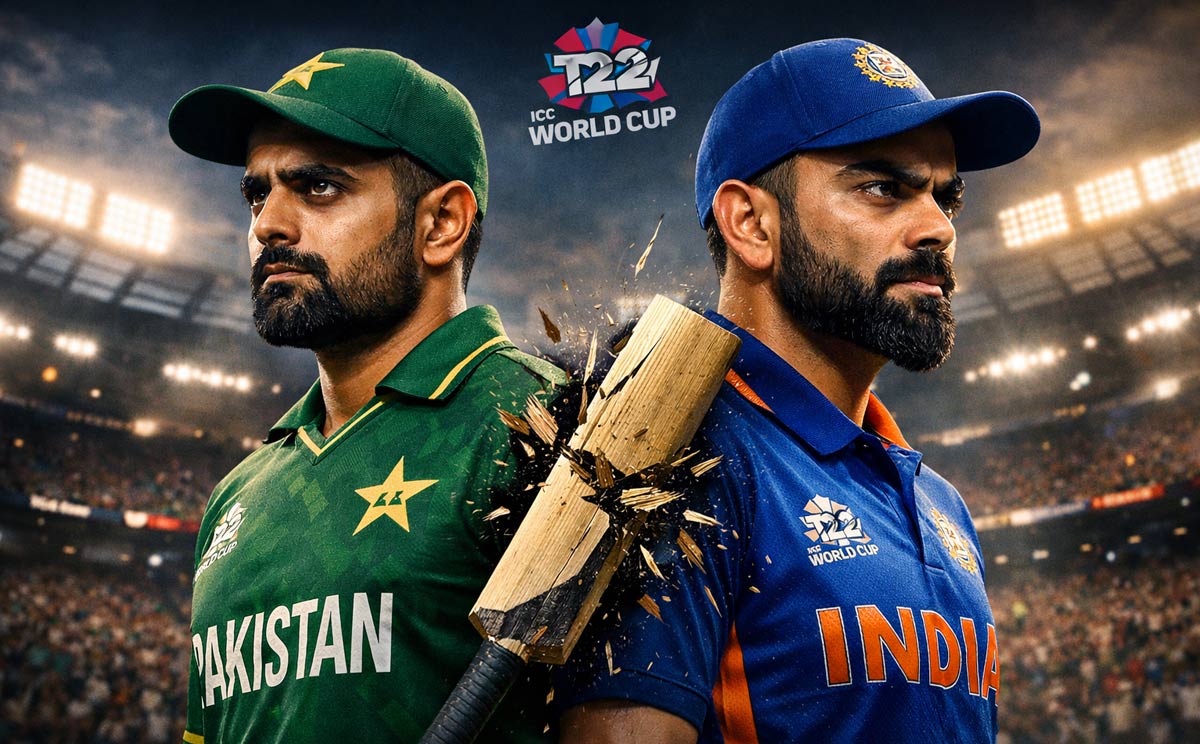
Pakistan–India Match Clouded by Political Tensions
The highly anticipated India vs Pakistan World Cup clash has once again become entangled in geopolitics, with reports indicating that Pakistan has opted to boycott the fixture. The decision has drawn attention far beyond the sporting arena, reigniting discussions about how politics continues to influence cricket’s most intense rivalry.
Security and Political Concerns at the Forefront
According to reports, the boycott is rooted in a combination of security concerns, diplomatic strain, and internal political pressures. From unrest in Balochistan to broader regional dynamics involving Bangladesh and South Asia, officials are said to be weighing player safety and national sentiment alongside sporting commitments.
Pakistan has previously expressed reservations about participating in events involving India under certain conditions, particularly when assurances around security and neutrality are questioned.
A Rivalry Bigger Than Sport
India–Pakistan matches are among the most watched sporting events in the world, but they are also uniquely vulnerable to political developments. Over the years, bilateral tensions have repeatedly disrupted schedules, forced neutral venues, or led to outright withdrawals.
This latest development underscores how cricket, especially at the World Cup level, often reflects the broader state of regional relations.
Impact on the World Cup and Fans
A boycott would have significant implications for the tournament, broadcasters, sponsors, and millions of fans worldwide. The absence of one of cricket’s marquee matchups would leave a noticeable gap in the competition’s narrative and commercial appeal.
Organizers are expected to continue diplomatic efforts in hopes of preventing further escalation.
What Happens Next?
As of now, the situation remains fluid. Cricket authorities and government officials may yet attempt to find a compromise, but the episode once again highlights the fragile intersection of sports and geopolitics in South Asia.
Until clarity emerges, the focus remains on whether dialogue can prevail—or if politics will once again deny fans one of cricket’s greatest rivalries.